JPEN
We move our business forward grounded in the problem, the technology, and the national structure.
The problem. The technology. The national structure.
We move our business forward grounded in all three.
Backing up the LGUs (local government units) is our core work — supporting the Filipino people toward greater prosperity.
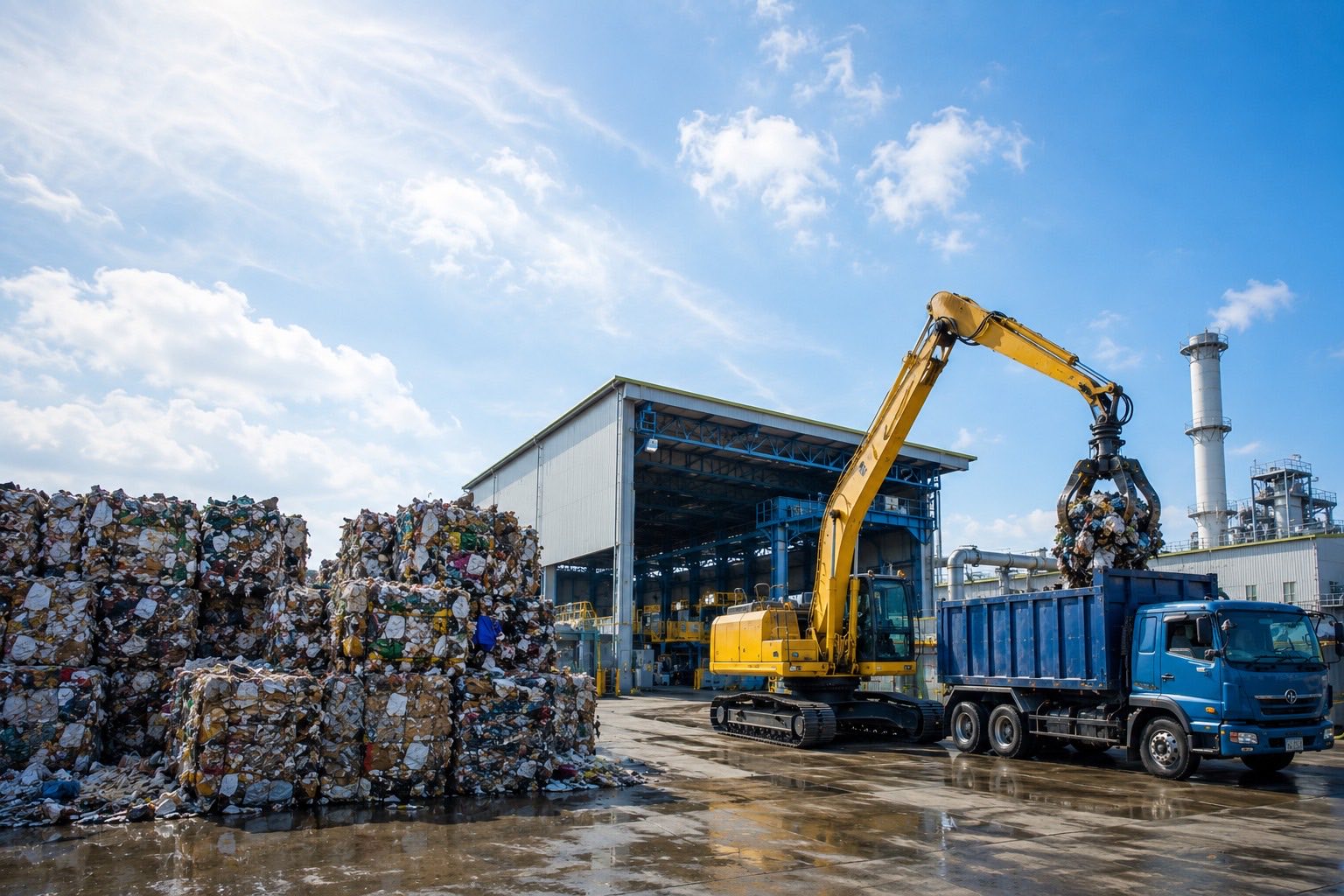
The Metro Manila region (25 million people) generates 15,000–20,000 tons of waste every day. Incineration is legally restricted under RA8749 (the Clean Air Act), yet there is no alternative.
Not a single permit for a large-scale treatment facility has been granted in 25 years. In October 2024 the Kalangitan landfill closed, leaving 104 Central Luzon municipalities and roughly one million tons a year with nowhere to go. We estimate the annual social cost across the Philippines at PHP 133.9 billion (JPY 339.3 billion) under a conservative scenario and PHP 281.7 billion (JPY 715.5 billion) under an optimistic one.
The technology to solve this problem exists. What is needed is a "designer" that connects government, the private sector, and communities.
Under the Philippine system, LGUs (local government units) are the primary parties responsible for waste treatment. Yet for 25 years, many LGUs have been unable to fulfill this responsibility. HFP backs up LGUs with technology and infrastructure so they can meet it.
Central government and LGUs. The legal framework (RA8749, RA9003), greenhouse gas reduction targets under the NDC (Nationally Determined Contribution), and government-led securing of treatment-fee standards, permits, and product off-take. They build the "framework for the solution."
HFP, the local JV, and local operators. Non-incineration gasification technology, facility construction, and support packages. They carry out the "implementation of the solution."
Barangays, citizens, and local businesses. Waste collection, behavior change, and technology transfer to the region. They deliver the "rooting" and "durability" of the solution.
HFP builds treatment facilities at a scale an LGU can adopt. We are concentrating first on Unit 1 at the Subic Bay Freeport (SBMA). It is designed as a commercial facility and is at the same time the first full-scale unit at which we verify the technology, operations and revenue model in real operation. This is a different layer from the large-scale projects that big corporations target.
Tens of billions of yen in construction. Years of permitting. Bids by large corporations. Central-government budgets.
→ In the Philippines, this has not moved for 25 years.
A scale LGUs can adopt. Operate one site first, and keep the operating data in a form that can be disclosed.
→ Start small, verify, then expand.
* Deploying multiple sites as a grid is a future vision; the current business plan concentrates on the single SBMA site.
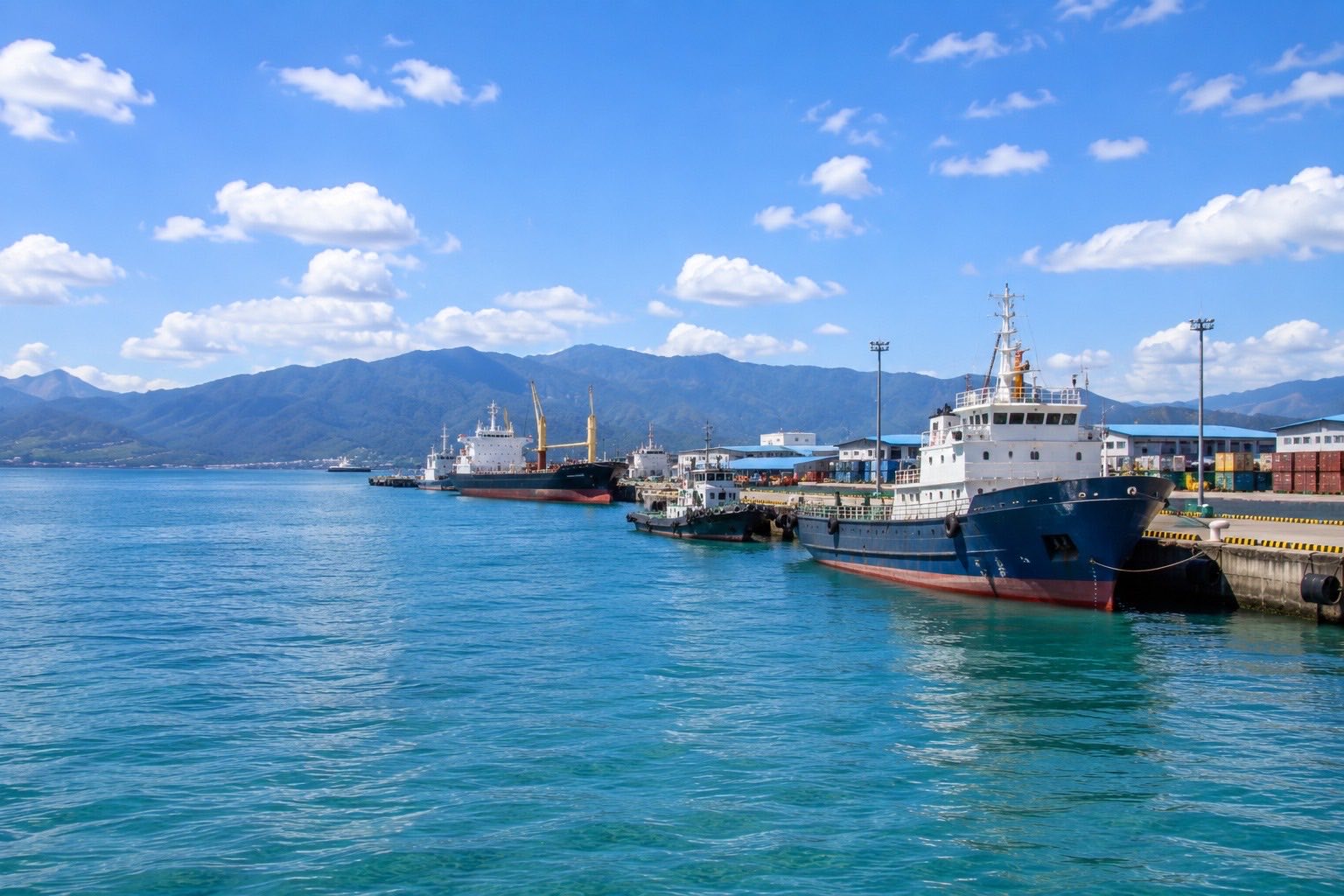
We will install a non-incineration waste treatment facility at the Subic Bay Freeport (SBMA).
Unit 1 is designed as a commercial facility, earning revenue from treatment fees and product sales. It is at the same time the first full-scale unit at which we verify the technology, operations and revenue model in real operation. The operating data obtained here will inform decisions on what comes next.
* The scope of this project does not include waste collection, transport, or the operation of final disposal sites. Waste collectors are not competitors but suppliers of feedstock.
* Residual waste bound for landfill within the zone (60–65 tons/day) alone does not meet the first unit's feedstock requirement, so intake from LGUs outside the zone is assumed.